SAS Passengers Stranded at Newark After Atlantic Diversion, Told to Book Their Own Hotels
Hundreds of SAS passengers were stranded at Newark after a transatlantic flight diverted due to a technical issue, with missing baggage and hotel costs adding to the frustration.
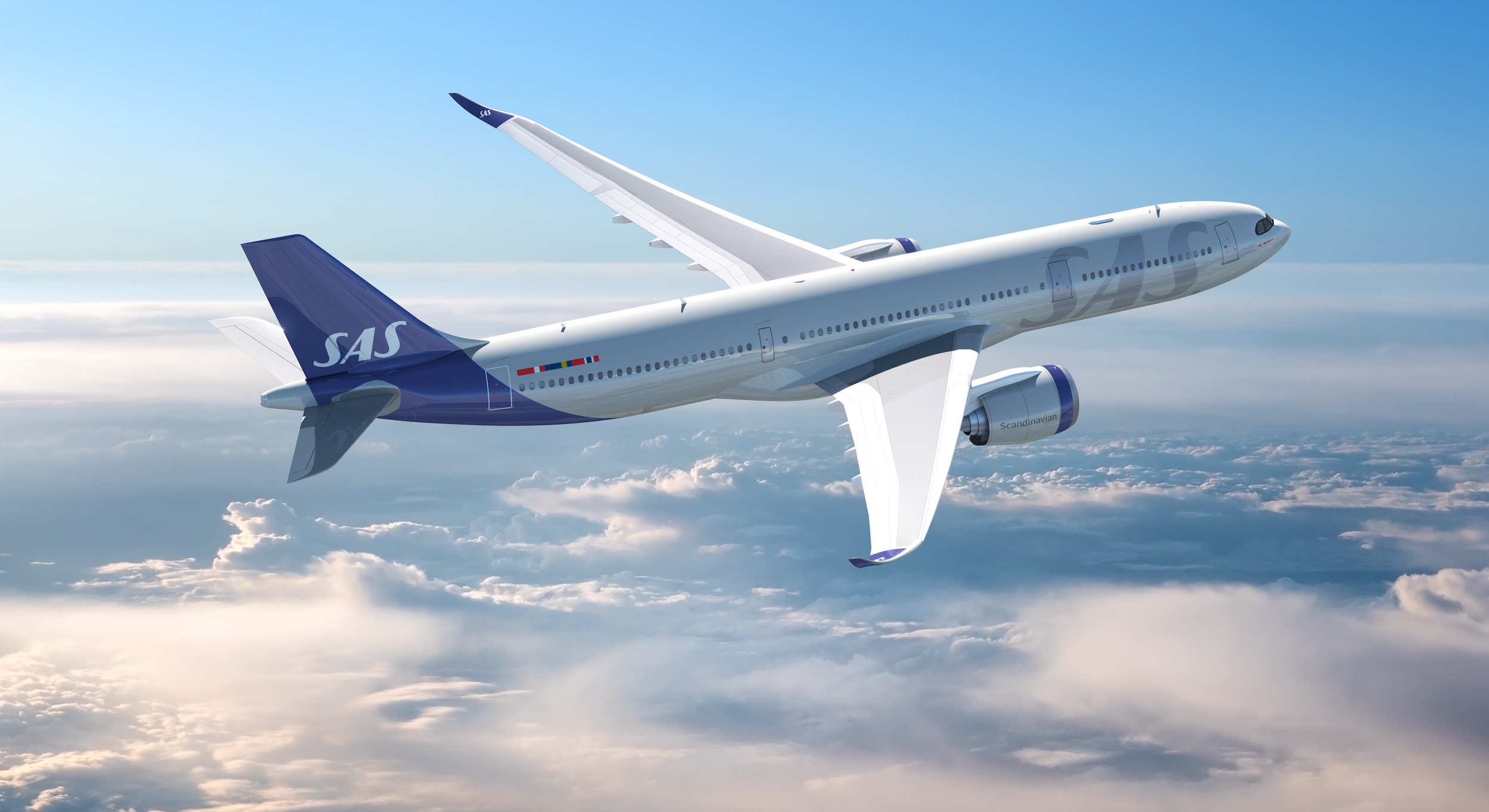
SAS Passengers Stranded at Newark After Transatlantic Flight Diverts Over Technical Issue
Hundreds of SAS passengers found themselves stranded at Newark Liberty International Airport (EWR) well past midnight after their flight from New York JFK to Copenhagen had to turn back over the Atlantic due to a technical issue. What made the situation even more frustrating was the lack of clear updates, limited access to their baggage, and an eventual request from SAS for passengers to arrange their own hotel accommodation.
Flight SK916, operated by an Airbus A330-300 with a capacity of 262 passengers, had already spent more than three and a half hours in the air before landing at Newark. Passengers said they received very little information during and after the diversion, and later received an email from SAS asking them to book their own hotel rooms.
The flight was scheduled to leave JFK at 18:55 local time on Friday, 23 October 2026, for an overnight journey to Copenhagen, with arrival planned for 08:40 on Saturday morning. Flight-tracking data shows that it actually departed at 19:24, 29 minutes behind schedule.
Michael Flarup, who was travelling home to Copenhagen with his son, described the experience on X. He said that around two hours into the flight, he noticed on the onboard flight map that the aircraft was heading in the wrong direction.
After the cabin crew told passengers that the captain would make an announcement, they were informed that the aircraft had developed a technical issue and that the pilots were not comfortable continuing across the Atlantic.
The Airbus A330 landed at Newark at 22:58, after three hours and 34 minutes in the air. Fire engines and ambulances were waiting on the runway, adding to passengers' concerns about what had happened.
Of course, safety has to come first, and turning back when there is a potential technical problem is an important precaution. However, what happened after landing raised a different set of questions about passenger care and communication.
As Flarup put it: “Safety comes first. But the process afterwards for hundreds of stranded passengers really needs to be better. People need clear information and, especially in the middle of the night, a way to get home.”
The problems did not end when passengers got off the aircraft. After reportedly waiting around an hour in the baggage claim area, they were told that their bags could not be unloaded from the plane. They were then given a QR code to report their missing luggage, but SAS's system would not accept their reports because the bags had not reached their original destination.
Passengers were also told that new flight details would be provided within a few hours. However, Flarup said he waited for hours without receiving an update, and his booking eventually disappeared completely from the SAS app.
By then, it was already past midnight, and passengers received an email asking them to arrange their own accommodation. SAS offered reimbursement of up to $280 (€250) per room.
Flarup managed to book one of the last remaining hotel rooms in the area. However, he claimed that many other passengers were still stranded at Newark when he and his son left. Despite calling the SAS support line several times, he said he could not get information about the whereabouts of his family's two suitcases or help registering them as missing.
SAS confirmed to Danish broadcaster TV 2 that the flight had returned due to a possible technical fault and that the aircraft was being inspected at Newark. The airline did not provide further details about the nature of the issue or explain why Newark was chosen instead of returning to JFK.
Flight-tracking data subsequently showed that the aircraft, registered as LN-RKR, operated flight SK910 to Copenhagen the following day.
Simple Flying contacted SAS for comment on the incident, but no representative was reached before publication.
For passengers, a diversion can be stressful enough without having to deal with missing baggage, uncertain travel plans and last-minute hotel arrangements. While the technical issue may have made the diversion necessary, the experience at Newark highlights just how important clear communication and practical support are when travel plans suddenly fall apart.