The $14,000 Problem Facing Airlines in Europe
IATA urges governments to share the costs of inadmissible passengers, which can reach $14,000 per case in Europe.
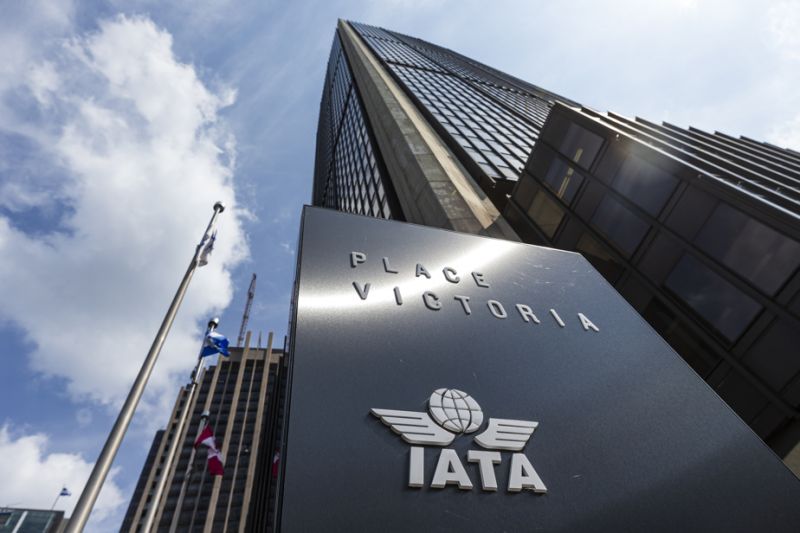
IATA Calls on Governments to Share the Cost of Inadmissible Passengers
Airlines are increasingly facing hefty bills when passengers are denied entry at their destinations, and IATA believes governments should share more of the financial burden.
On October 30, 2026, the International Air Transport Association (IATA) called on governments to adopt a fairer approach to the costs associated with inadmissible passengers (INAD). According to its research, handling one such passenger can cost an airline an average of $14,000 in Europe, with exceptional cases reaching nearly €60,000.
The study, based on responses from 49 airlines and 22 border authorities, highlights a growing problem for the aviation industry. While airlines are responsible for checking passports, visas and travel documents before departure, the final decision to admit a passenger rests with government authorities.
Around 20–30% of inadmissible passenger cases are reportedly linked to documentation or processing errors. However, 40 of the 49 airlines surveyed said they sometimes receive no explanation from immigration authorities about why passengers are refused entry. More than 90% also reported paying costs that international rules suggest should be covered by governments.
The financial impact can be significant. Average costs reach approximately $4,000 in North Asia and $14,000 in Europe. In one particularly striking case, an airline was charged nearly €60,000 after a passenger remained under government supervision for six months, at a daily cost of €300.
The operational consequences are just as serious. Every airline surveyed reported delays involving flight planning, aircraft and crew arrangements, passenger transfers and coordination with border authorities.
Under International Civil Aviation Organization (ICAO) rules, airlines are generally responsible for care and supervision costs when passengers are refused entry because of missing or invalid travel documents. When refusal is based on other reasons, the responsibility is expected to fall on the relevant government. IATA argues that this distinction is not always respected in practice.
The association is calling for clearer responsibilities, proportionate penalties and greater transparency from immigration authorities. It also wants wider adoption of interactive Advance Passenger Information (iAPI) systems, digital document verification and real-time information sharing.
Nick Careen, IATA's Senior Vice President for Operations, Safety and Security, says airlines should certainly be held accountable for their own mistakes, but should not face unlimited financial liabilities for decisions beyond their control.
Ultimately, border security and efficient international travel should go hand in hand. For IATA, the solution is simple: governments and airlines need a fairer, clearer and more transparent system for sharing responsibility.