VietJet Under Pressure: A $250 Million Legal Storm Takes Flight
A long-running aircraft leasing dispute has put VietJet under mounting legal pressure after the UK High Court reportedly ordered a worldwide freeze on its assets over approximately $250 million in outstanding claims.
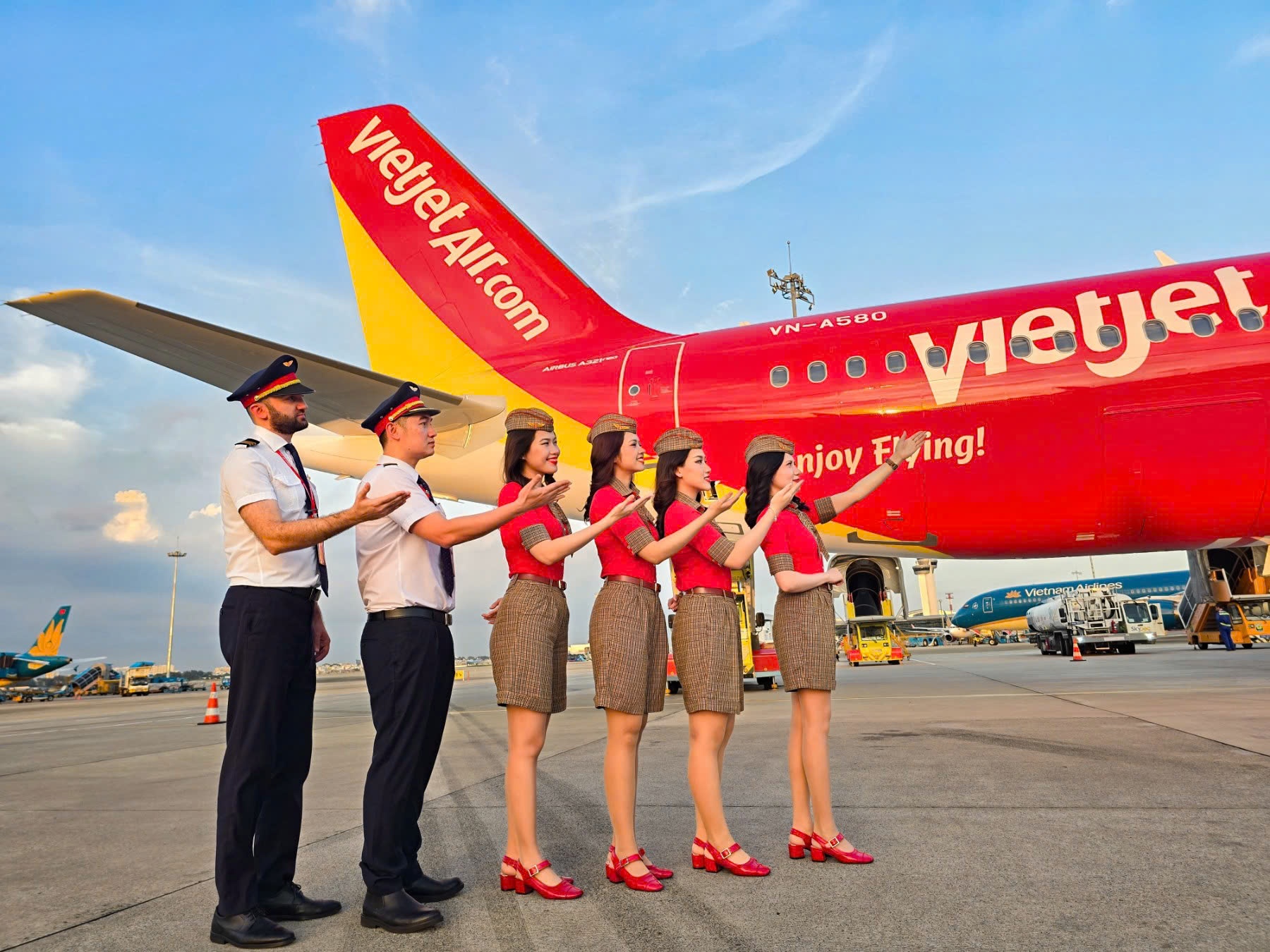
VietJet, one of Vietnam’s leading low-cost airlines, is facing a major legal challenge after the UK High Court reportedly issued a worldwide asset-freezing order on October 15, 2026. The decision follows a long-running dispute with aircraft financing company FW Aviation Holdings (FWA) over unpaid obligations that have grown to approximately $250 million.
At the heart of the dispute are four Airbus A321 aircraft delivered to VietJet in 2018 and 2019 under Japanese Operating Lease with Call Option (JOLCO) financing arrangements involving Japanese investors and international financial institutions. After payment problems during the COVID-19 pandemic, the leases were terminated in October 2021. Although all four aircraft had been repossessed by December 2022, the financial dispute continued.
The UK courts subsequently issued several payment rulings against VietJet. In April 2025, the airline was ordered to pay approximately $182 million. Additional damages, interest and legal costs reportedly pushed the total claim to around $250 million. Court records cited in the report indicate that VietJet paid $2 million in May 2025, but a substantial balance remained outstanding.
Another key issue concerns VietJet’s future aircraft deliveries. The court examined arrangements under which financial rights linked to aircraft orders were transferred to Angelica Holding Limited (AHL), a related company. The court reportedly considered these transactions a potential risk to creditors’ ability to recover their money. VietJet, however, argued that the arrangements were part of its normal business operations and were not intended to unlawfully move assets beyond creditors’ reach.
The dispute has also extended to Singapore, where legal measures targeting nine VietJet aircraft were reportedly taken in May 2026. According to court records, the airline subsequently stopped using those aircraft on Singapore routes. Meanwhile, Vietnam’s refusal to recognize certain UK judgments has added another layer of complexity to the international recovery process.
So, what does all this mean for VietJet?
The worldwide freezing order does not automatically cancel the airline’s Airbus or Boeing orders, nor does it mean that its flights must stop. However, it could complicate financing arrangements, aircraft leasing negotiations and relationships with international lenders and business partners. Financial institutions and lessors may also take the legal dispute into account when assessing their exposure to the airline.
For an airline pursuing ambitious growth plans across the Asia-Pacific region, the timing could hardly be more challenging. VietJet’s ability to manage its outstanding obligations while maintaining confidence among investors, lessors and suppliers will be crucial in the months ahead.
Ultimately, this case highlights a broader reality of modern aviation: aircraft leasing and financing are global businesses, but legal disputes can quickly cross borders. When payments go unpaid and creditors struggle to enforce judgments internationally, the consequences can reach far beyond the aircraft at the centre of the original dispute.
One important point remains: the freezing order is a measure intended to protect potential debt recovery, not a final determination that VietJet must immediately cease operating or abandon its expansion plans. The airline’s next steps, and the outcome of its ongoing legal dispute with FW Aviation Holdings, will determine how significantly this case affects its future.
Editorial note: The legal developments and figures in this article are based on the supplied report and have not been independently verified.